What is the Jeep Cowl Dent and what causes it to be so common?
It’s common to see a Jeep Wrangler driving around with the doors off. We get it, it’s a freeing feeling in the hot summer weather and would be a blast to experience. The problem is when the doors go to be reinstalled. The door opening limiting strap would not get reconnected when people would reinstall the doors. This strap prevents the door from opening up too far.
The door would then be opened and swing TOO far open and door mirror would be pushed into the cowl panel. This caused the notorious Jeep dent in their cowl panels.
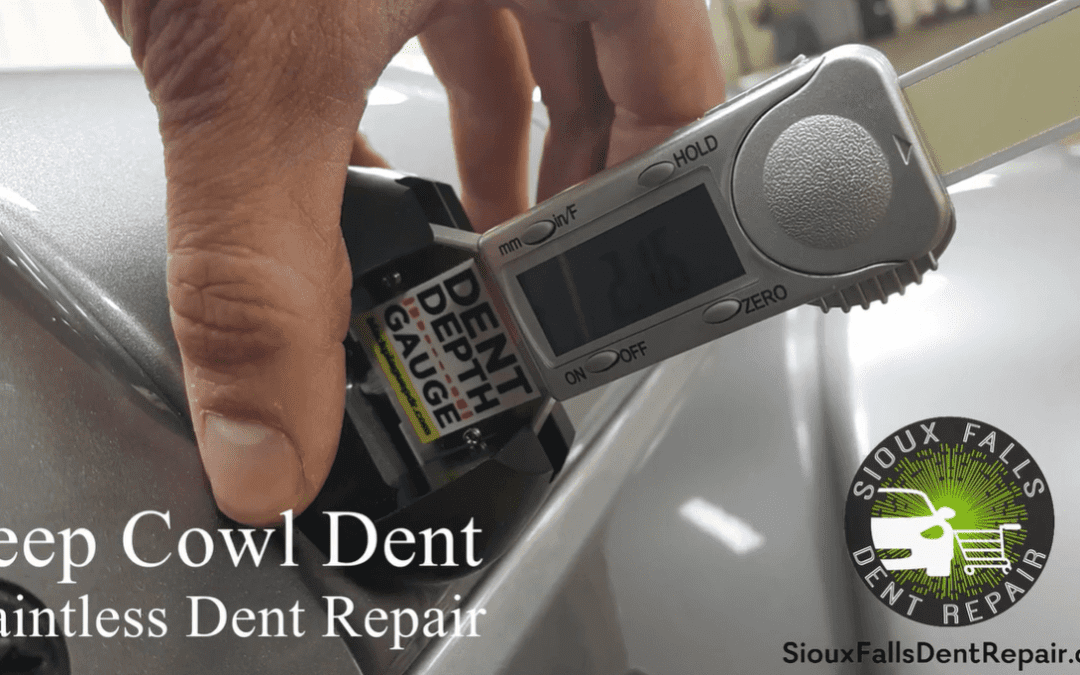
See a Jeep cowl dent we repaired here:
If you unfortunately forget the limiting strap and happen to have this type of dent give us a call to give you a free damage assessment!
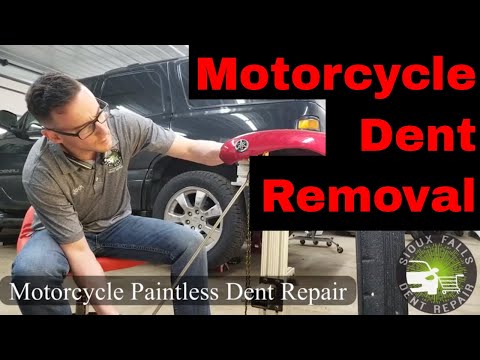
This is a repair we did on a Yamaha motorcycle. Traditionally in motorcycle dent removal the motorcycle gas tank sits on top of the motorcycle. The rider then has the gas tank between their legs. On this Yamaha model however,that is not the case. The gas tank actually rests under the seat on this bike. Where the tank would traditionally sit between the riders legs is actually just a metal cover that resembles a smaller gas tank but this is actually just covering the frame of the bike as well as the top of the engine assembly.
First thing we do in motorcycle dent removal is mount this engine cover to our motorcycle vice stand. This gives us a solid platform to mount the cover to so it will not move during the repair process. There is a lot of pressure and force that needs to be applied in order to push damage out of any item that has a dent in it and motorcycles are no exception. Once the cover is mounted we use all sorts of specialized tools some are even specifically made to work on motorcycles. Some of the biggest differences in a motorcycle specific tool and a traditional tool is the strength. While all dent removal tools are strong, motorcycles are extremely strong compared to a cars sheet metal. So the motorcycle specific tools are much more stout this allows us the apply force to the damaged areas and push them out and not have the tool bend in the process. A tool that bends means there is a waste of energy being applied to the repair and not all of the force from the technician is being applied to the repair making it more difficult resulting in a longer repair time as well creating more work for the technician.
In the end we use a combination of tools to get this damage out and make this engine cover dent free once again. The bike owner was thrilled with the results and happy to have a dent free motorcycle. He was especially happy since he was able to ride the bike to our shop, remove the cover and take off to work. Then later show up to pick it up and simply snap it back on the bike and go down the road once again.
There are many types of hybrid and electrical vehicles on the road today. Here we will walk you through the different types of vehicles and what makes the different.
Why is it important to know about these systems and what makes up these systems? Be sure to check out our page here about the safety procedures and training we have gone though to be IMI Level 2 Certified to power down these systems. Learn More Here!
Types of Electric Vehicles
Extended Range Electric Vehicle (EREV)
These vehicles have a smaller style internal combustion engine and an electrical generator. Unlike a hybrid where the small engine works to move the vehicle, on this type of vehicle the small internal combustion engine is used just to provide electricity to the generator and is NOT used to move the vehicle in any way.
This is the most common of electric vehicle. They have not only a gas engine but also an electric motor. These are the types of vehicles that “shut off” when stopped then quickly start back up when taking off, these style hybrids are called “micro-hybrids.”
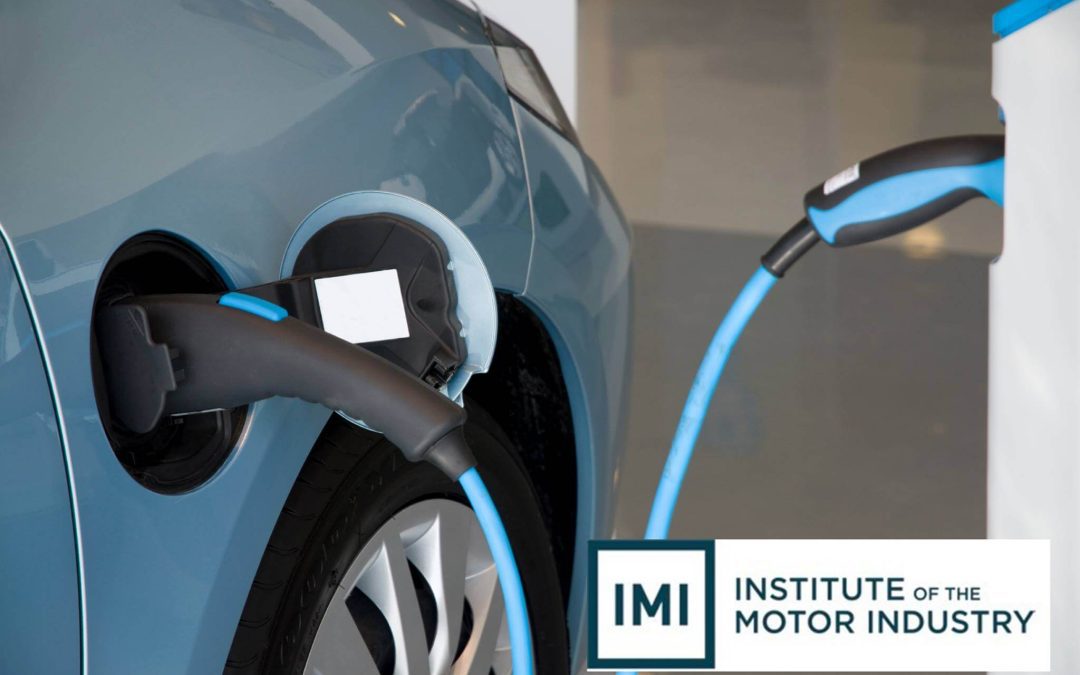
These types of vehicles get their batteries charged from an external source like an outlet at your home or work.
They are similar to conventional hybrids in that they have both an internal combustion engine and an electric motor. What sets these vehicles apart from a hybrid though is unlike conventional hybrids, PHEVs can substitute electricity from the grid for gasoline. This allows them to not need any gasoline to run.
It’s no doubt today that we are seeing more electric and hybrid vehicles on the road today and they are in need of dent repairs. These vehicles will continue to gain popularity and will continue to become more efficient. They will continue to extend your driving experience while using less fuel and some being full electric requiring NO fuel!
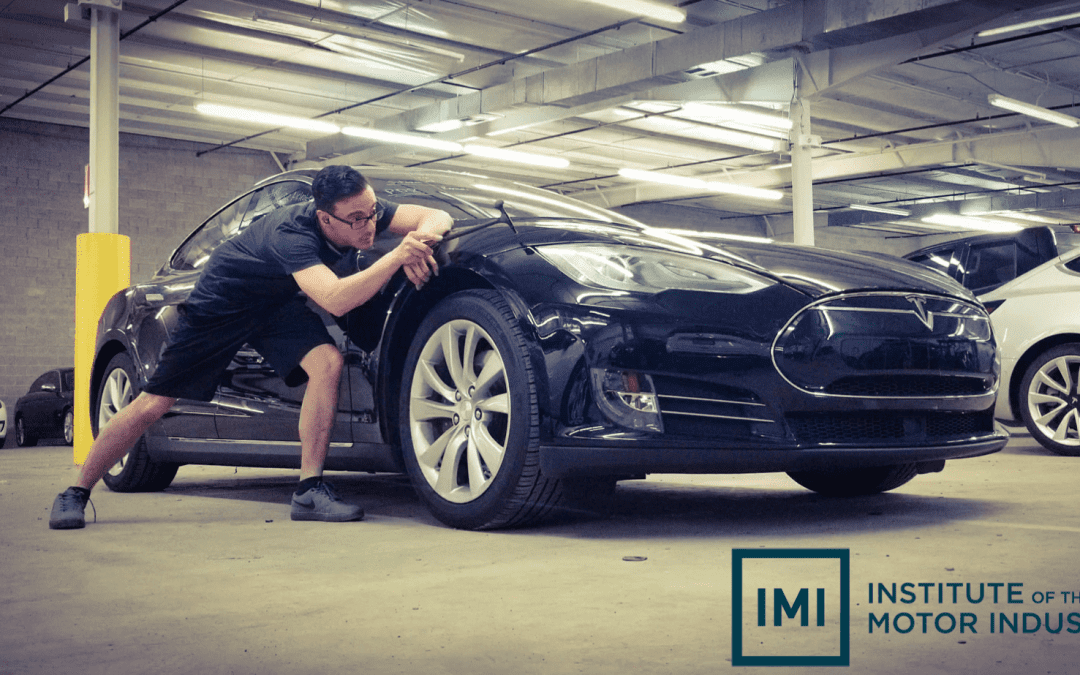
When doing paintless dent repair on these types of vehicles, there are more safety precautions that need to be taken. These vehicles have High Voltage DC Power systems running through them which can be of great danger if not handled safely.
How Do You Work With These Systems?
When working on these electric vehicles you need to know where the high voltage systems are located. We have access to programs that layout these systems and locations on vehicles. Something as simple as a dent in a fender, in the past, was as simple as gaining access through the fender liner or in through the engine bay.
Now there can be High Voltage cables running through even a fender and also in the engine bay. These components need to be identified and at times these high voltage systems need to be disabled to perform repairs.
We here at Sioux Falls Dent Repair have taken advanced courses on these types of systems AND have the proper safety equipment to properly work on and power down these High Voltage Systems.
We are the ONLY shop in the state of South Dakota that is certified by the IMI for Hybrid and Electric Vehicle Level 2 Power Down Procedures.
Dealing with these systems is about safety. The safety of the technician, the safety for you, the vehicle owner and your family. Also for the safety of the vehicle itself and any anyone else that comes into contact with the vehicle.
These High Voltage systems can cause serious injury or death if not handled with the proper precautions. Don’t trust just anyone to repair your vehicle, be sure to make sure anyone that works on your vehicle equipped with any of these systems has the proper knowledge to do so.
If you have any questions on any of these systems or have damage in your own vehicle give us a call today!
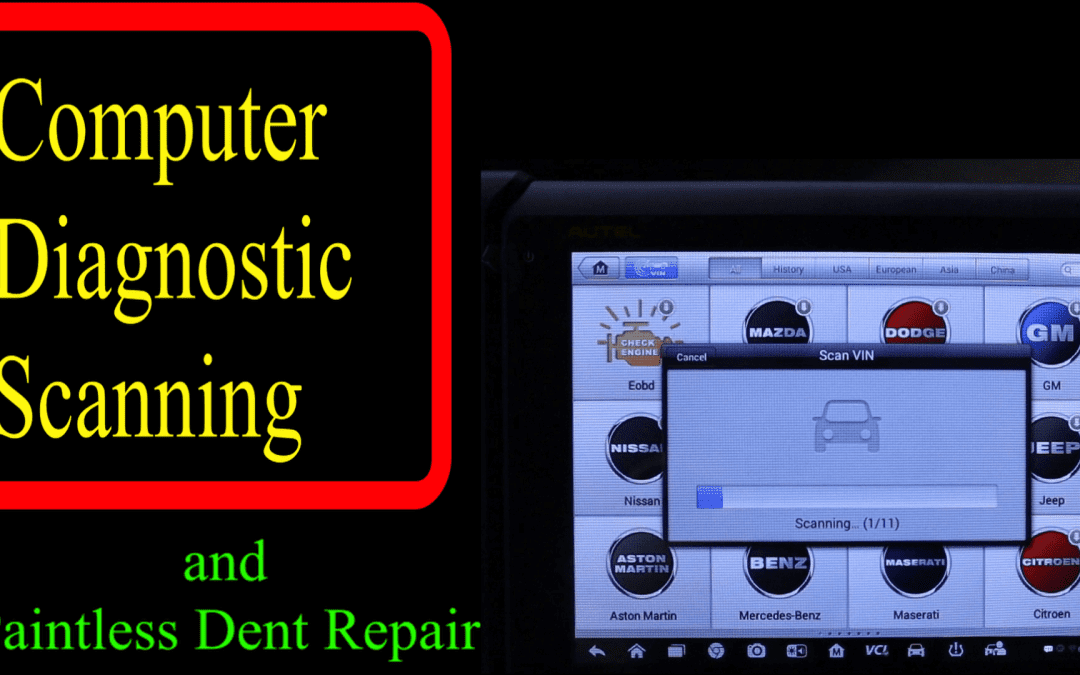
Have you heard of pre and post diagnostic scanning?
Well today we walk you through the whole entire process around computer scanning and doing paintless dent repair.
Why Is This Necessary?
Diagnostic Scanning is often a required operation when working on today’s modern vehicles. This vehicle we are demonstrating with today is a 2018 Chevy Silverado. This customer purchased this vehicle brand new, it only had 7k miles on it when it came to us to have a dent removed. General Motors, the vehicles manufacture actually REQUIRES a diagnostic scan when disconnecting the battery. They also require it when disconnecting ANY electrical component on this vehicle. This is often a over looked process that many body shops, mechanics and paintless dent repair companies do not do when doing repairs on vehicles.
Here we walk you through the entire process of how this is done and specifically why it is done. We also show you how we go about gaining access to this dent in the left front door near the handle. We had to remove the door panel as well as the door handle assembly in order to make this repair. Once the dent is removed with paintless dent repair we are able to put the vehicle back together. From there we then run a Post diagnostic scan to ensure everything is in working order. We make sure to print off the scan documents and show them to the customer. When we showed this customer that his scans showed a fault code for the radio the said that the battery had gone dead previously. That was why the code was set in the first place.
The customer was happy that we did run a scan and bring this to his attention. A radio code is nothing serious but there are items like mentioned in the video, that can be a bigger issue if a fault code is set. Read more about scanning and other computer related information.